How to Trade Metals:
Gold, Silver & Copper Trading Guide for Beginners
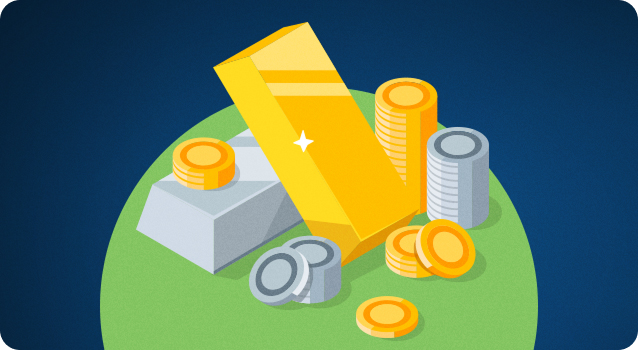
When markets become uncertain, attention often turns to metals, especially gold. But what many traders discover is that each metal tells a different story about the global economy.
From silver and platinum to copper, these markets move for different reasons and at different speeds.
This beginner-friendly guide explains how to trade metals, including precious metals such as gold and silver, and how to get started with a clear, structured approach.
What Is Metal Trading?
Metal trading involves speculating on the price movements of metals such as gold, silver, and copper.
Most traders trade metals online through CFDs (Contracts for Difference).
This means:

You trade based on price movements
You do not own the physical metal
You can trade rising or falling markets
This approach makes metal trading more accessible while still reflecting global market conditions.
Metals You Can Trade with easyMarkets
easyMarkets offers access to a range of metals through CFDs, allowing you to trade global markets without owning the physical asset.
Precious Metals
Gold
Silver
Platinum
Palladium
These metals are widely followed in global markets and are often influenced by economic conditions, inflation, and investor sentiment.
Industrial Metals
Copper
Copper is closely linked to economic growth and industrial activity, making it sensitive to changes in global demand.
Each metal behaves differently, which is why many traders choose to focus on specific markets depending on their trading approach and understanding.
Why do traders focus on Metals?
Metals hold a unique place in financial markets. They are not just commodities; they often reflect broader economic conditions.
Gold and Economic Uncertainty: Gold is often closely watched during periods of uncertainty. When markets become unstable, attention frequently shifts toward it.
Inflation Awareness: Metals, particularly gold, are often monitored when inflation rises, as traders look at how purchasing power may be changing.
Industrial Demand: Metals like copper and silver are widely used in manufacturing and technology, linking them directly to economic activity.
Global Relevance: From central banks to industrial sectors, metals are used worldwide, keeping them consistently in focus. Many traders start with metal trading due to the global relevance of metals such as gold and silver.
Gold vs Other Metals: What's the Difference?
Not all metals move in the same way.
Gold: Often followed during uncertainty
Silver: Balances investment demand and industrial use
Platinum & Palladium: Influenced by industrial sectors such as automotive
Copper: Strongly linked to economic growth
Understanding these differences can help traders decide which metals to focus on based on their market outlook and strategy.
What Moves Metal Prices?
Metal prices are shaped by a combination of global factors:
Inflation and Interest Rates: Changes in inflation and central bank policies can influence how metals are viewed.
Currency Movements: Since metals are typically priced in US dollars, currency shifts can affect their value.
Industrial Demand: Growth in sectors like construction, technology, and manufacturing can impact metals like copper and silver.
Geopolitical Events: Global uncertainty or disruptions can influence demand for certain metals.
For example, gold is often monitored during periods of economic uncertainty, while copper tends to react more strongly to changes in global growth and industrial demand.
How trading Metals works
When trading metals with CFDs, your result depends on how the price moves relative to your position.
If you buy and the price rises, the movement may work in your favour
If you sell and the price falls, the movement may work in your favour
If the market moves against you, you may incur a loss
Trading metals is about understanding price movement rather than owning the asset itself.
For example: If the price of a metal such as gold is rising and market conditions suggest continued upward momentum, a trader might consider opening a buy position. If the price continues to move higher, the trader may benefit from the difference between the opening and closing price.
However, if the market moves in the opposite direction, the position may result in a loss. This highlights the importance of understanding market conditions and using risk management tools.
How to start trading Metals
1. Learn the Basics
Understand how different metals behave
2. Choose a Platform
Select a regulated broker like easyMarkets, offering transparent pricing, multiple platforms, and risk management tools
3. Practise First
You can start practising metal trading in a risk-free demo environment before trading with real funds.
4. Develop a Plan
Define your goals and risk tolerance
5. Start Gradually
Build experience over time
Risks and Considerations
Metal trading involves risk, and markets can change quickly.
Prices may be affected by global events
Volatility can increase during uncertainty
Leverage can amplify both gains and losses
A consistent and measured approach can help you navigate these conditions.
Why Trade Metals with easyMarkets
easyMarkets provides access to a range of metals through platforms designed to offer clarity, control and risk management.
With easyMarkets you can:
Trade gold, silver, platinum, palladium, and copper
Access global markets from one place
Use tools designed to help manage risk
Use built-in tools designed to help manage risk
Trade via MT4, MT5 and TradingView
Take the First Step
If you are exploring metal trading, you can start with a demo account to practise in a risk-free environment.
When you feel ready, you can transition to live trading with a clearer strategy and greater confidence.
When markets become uncertain, attention often turns to metals, especially gold. But what many traders discover is that each metal tells a different story about the global economy.
From silver and platinum to copper, these markets move for different reasons and at different speeds.
This beginner-friendly guide explains how to trade metals, including precious metals such as gold and silver, and how to get started with a clear, structured approach.
Table of Contents
Frequently Asked Questions
Metal trading involves speculating on the price movements of metals such as gold, silver, and copper.
Yes, metals can be traded online through regulated brokers using instruments such as CFDs.
Gold is widely followed during periods of economic uncertainty and is often seen as a store of value.
You can trade gold, silver, platinum, palladium, and copper.
Metal prices are influenced by inflation, currency movements, industrial demand, and geopolitical events.
Metals are commonly traded through CFDs, allowing you to take positions based on price movements.
Beginners can start by learning the basics and practising with a demo account before trading live.
Yes. Trading metals involves risk, especially when using leverage.